Coming off weight loss drugs – the right way
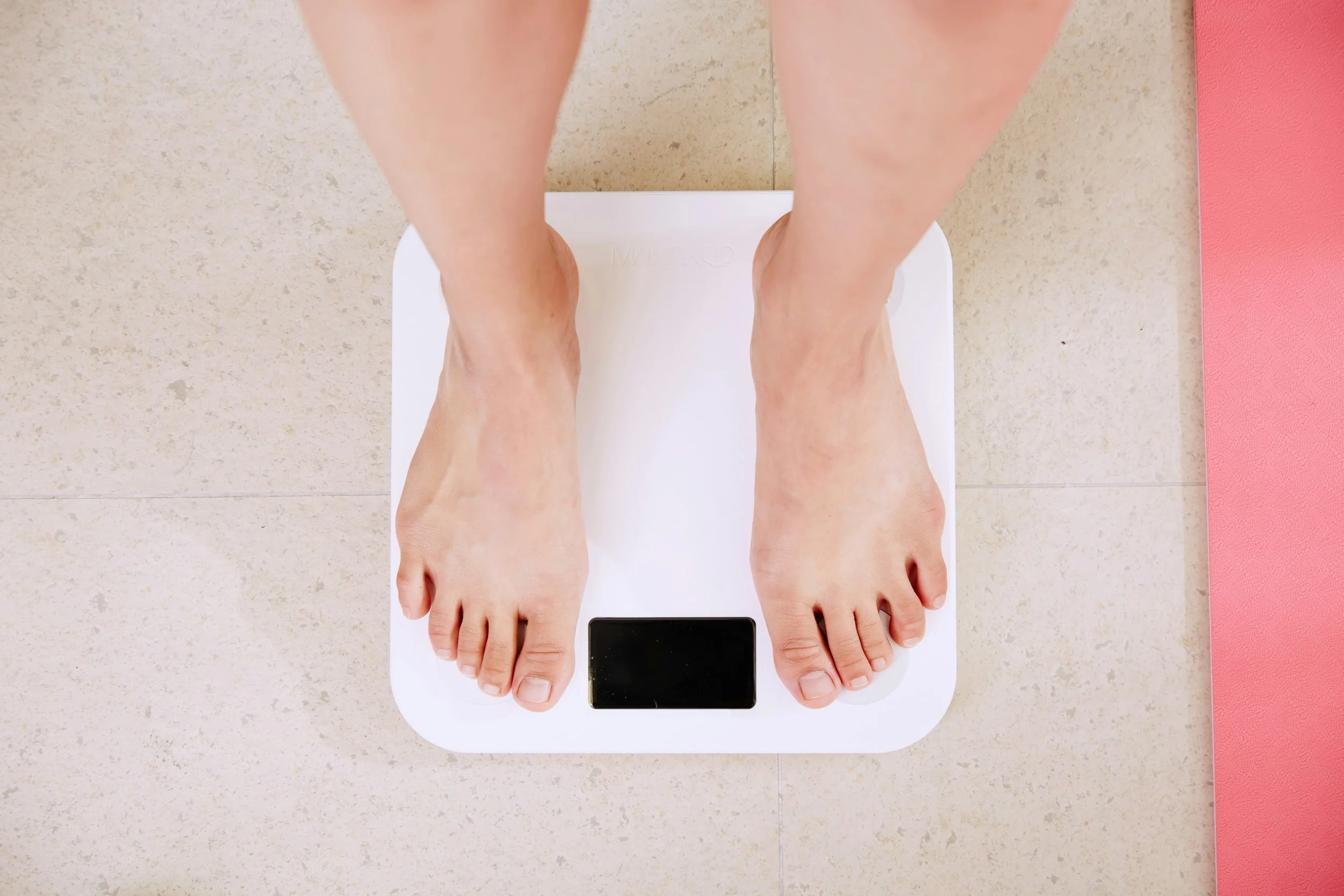
There’s lots of talk about being on weight loss medications, like Ozempic, Wegovy and Mounjaro, but not much discussion about coming off them. The latest stats show that, on average, people regain 60% of their lost weight when they stop taking these drugs, but there is a reason for that. Before we get into it, it’s important to say that I’m a firm believer in GLP-1 receptor agonists, as they’re known, when patients are prescribed them for the right reasons, which isn’t weight loss alone. I’ve seen the incredible results they help to deliver, reducing cholesterol, insulin resistance, and even reversing diabetes. When medically prescribed these medications, and monitored whilst on them, patients can, and do, stay on them for the long term. That said, the goal for many is to come off them, and there is a tried and tested way to do this.
Don’t stop GLP-1’s suddenly
You’ve hit your goal weight, and that’s great, but this isn’t the time to stop taking your weight loss drugs. You should only really consider this after a sustained period at your target weight, and when you’ve consulted the person who prescribed them. You may feel great, but your cholesterol levels may still be high, you may still be at risk of heart disease, and you may still have insulin resistance. Without proper testing, you wouldn’t know. It seems that many people, when hitting or nearing their target weight, make up their own rules, reducing or skipping doses and, when that doesn’t go to plan, going back on the highest dose again. What’s needed is a considered protocol agreed between patient and prescriber.
Don’t feel deflated
If you felt ready to go it alone, but your doctor had other plans, don’t see this as a bad sign, instead, view it as a critical period of maintenance. This is when I suggest you diarise your current lifestyle habits - what you eat, when you sleep, how much you drink, when you work out – writing it down means you have something to refer back to later. This is the time to try to keep everything exactly the same.
Those first few days
Many people feel really anxious when they stop taking the medications, concerned their appetite will change and they’ll feel hungry, resulting in them falling back into old habits. The good news is, that for many, the transition isn’t as hard as they anticipate. Yes, you will experience hunger cues, and, when you do, you should refer back to the diary you made and try to follow the same routine, even if your body is telling you it needs more fuel. The body responds to patterns and behaviours, if you keep doing what you’ve been doing, it will serve you well. One thing to avoid is repeatedly weighing yourself, or being too focused on your daily nutrition and exercise. I understand though, that’s easier said than done and that a successful transition depends not only on the individual, but on the environment and people they surround themselves with.
This is not failure
Many, many people find they need to go back on their weight loss medications to maintain the progress they’ve made. This isn’t failure, it’s just another phase in the process. You may be prescribed a lower dose, it may be the same, that doesn’t matter. What’s important here is mindset, not seeing this as a backward step. I’ve seen many people fall down at this stage by not asking for help quickly enough and not knowing where to turn. These are the people who return to old habits, regaining the weight they’ve lost. These are the people who tell me, time and time again, they wished they’d asked for help sooner. Don’t be one of them.

A word about cravings
There’s no way of sugar-coating this, whilst cravings may have gone away when you were taking the medications, they can return. This is why it’s important to address emotional eating habits whilst you’re on medication, rather than trying to tackle this when coming off it. Addressing sleep patterns and stress is crucial, as we’re much more likely to crave foods that don’t fuel us well when we’re tired and anxious, and less able to resist them. Prioritising good quality sleep, rest and relaxation, and joy will stand you in good stead.
Lina’s weight loss journey
Lina, a client of mine, is very happy to share her story, and I think it’s helpful to understand you’re not alone in this. She’s fifty-five, menopausal, with a family history of heart disease, and has some obesity genes, as DNA testing revealed. After reaching her goal weight, she felt ready to come off her medications, but tests revealed she still had some inflammatory markers, and insulin resistance. Doctors told her to use the next three months on GLP-1s, to maintain what she had been doing, and that’s where I came in. We continued making a little progress by being curious about what was coming next. As with all health issues, there is so much we can do, but the crucial steps are to build and cement good habits for life.
Lina found the initial weeks better than expected, she gained a small amount but felt really good about herself. The cravings she’d worried about didn’t surface, and although she needed support, she was in control. A few months later, a dream holiday and series of family celebrations sent her a little off track, and she started to regain weight. Acting quickly, within a three month window, she decided, with her doctor’s advice, to restart her medication, taking the lowest possible dose for a short period of time. Lina’s now off them again, back to healthy habits, and in control, but has a plan in place to reintroduce her medications, if necessary, in another three months.
How I can help…
Coming off weight loss medications is hard, but it’s not impossible. I’ve seen many successes, and worked with many people, like Lina, who haven’t had a linear journey. In all of these cases, I’ve been there to set intentions, help maintain good habits, and work on solutions when things haven’t quite gone to plan.
If you’d like to know more about how I can help, contact me for a free consultation. Remember, you’re not alone. Together, we’ve got this!