If managing your weight suddenly feels harder in perimenopause, you're not imagining it.
Perhaps you're eating well, exercising and doing all the things that used to work, yet your body seems to be responding differently.
You might notice more weight around your middle or that your clothes fit differently. So you exercise more, eat less or start cutting things out, but nothing much changes.
Sound familiar?
Your body hasn't suddenly failed you, and neither have you. Your body is changing, and perhaps your approach needs to change with it.
Why is your weight changing?
There isn't one simple explanation.
Hormonal changes are part of the picture, but so is ageing. Our body composition changes as we get older, and maintaining muscle becomes increasingly important. Where we store fat can change too.
Then there's everything else happening at this stage of life.
Poor sleep, stress, a busy life and moving less during the day can all influence how you feel and the choices you make.
When you're exhausted, it's considerably harder to cook something nourishing, exercise or resist reaching for a quick energy boost.
That's why it helps to look at the whole picture, rather than focusing only on food.
Eating less isn't necessarily the answer
When your clothes feel tighter, eating less can seem like the obvious solution.
But instead of asking “What should I cut out?”, try asking:
“What does my body need more of?”
Start with protein. Eggs, fish, meat and natural Greek yoghurt are good options, alongside tofu, beans, lentils, nuts and seeds.
Add plenty of vegetables, fibre-rich foods and natural fats such as olive oil, avocado, nuts and seeds.
And carbohydrates don't automatically need to disappear. Think about quality and quantity, choosing whole or minimally processed foods more often.
A simple question I like is:
How close is this food to its original form?
You don't need to count every calorie. The aim is to find a way of eating that nourishes you and that you can actually sustain.
Could muscle be the missing piece?
When we're trying to lose weight, exercise can quickly become about trying to burn more calories.
But what if your goal wasn't simply to become lighter?
What if you focused on becoming stronger?
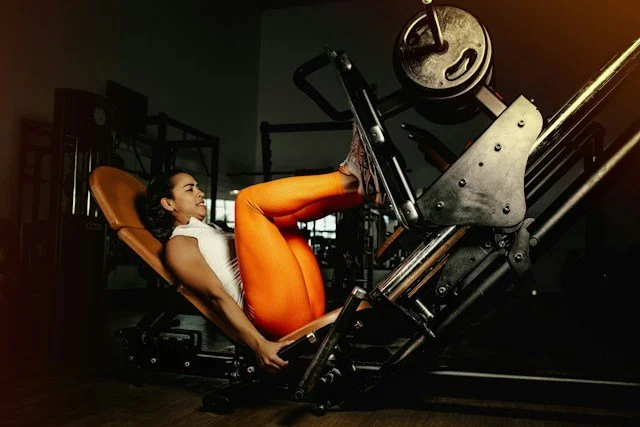
Maintaining muscle becomes increasingly important as we age, so resistance and strength training deserve a place alongside walking, running, tennis, yoga, Pilates or whatever movement you enjoy.
And enjoyment matters.
The “perfect” exercise programme isn't particularly useful if you hate doing it and give up after three weeks.
Look beyond food
If your weight has changed, food is only one place to look.
Ask yourself:
How am I sleeping?
How stressed am I?
How much am I moving during the day?
How often am I drinking alcohol?
Am I eating because I'm hungry or because I'm tired, stressed or simply following a habit?
Sometimes the most useful change isn't eating less. It's supporting another part of your life that's making healthy choices harder.
Forget perfection. Think consistency.
You don't need to eat perfectly to eat well.
Prioritise nourishing, whole foods most of the time and leave room for life.
Holidays happen. There are birthdays, meals out, puddings and glasses of wine.
Enjoy them.
One pudding won't determine your health any more than one salad will transform it.
It's what you do consistently that makes the difference.
The meals you eat most often. How regularly you move. Whether you use your muscles. How you generally sleep. How you manage stress.
Those everyday habits matter far more than occasional treats.
So where should you start?
Don't try to change everything at once.
Choose one or two things that would make a meaningful difference to you.
Perhaps that's:
adding extra protein to your meals
eating more vegetables and whole foods
doing some regular strength training
walking every day
drinking alcohol less frequently
getting to bed earlier
making time to manage stress
Choose something realistic and do it consistently.
Small changes you can sustain are more useful than dramatic changes you can't.
Your body isn't broken
If what worked in your 30s or early 40s doesn't seem to work in quite the same way now, you haven't failed.
Your body is changing.
The answer isn't necessarily to fight it harder. It may be to support it differently.
Think beyond the number on the scales too.
Are you stronger? Do you have more energy? Are you sleeping better? Are your clothes more comfortable? Do you feel healthier?
I don't think the goal should be to spend the next decade permanently trying to lose weight.
It's about becoming stronger, having more energy, eating nourishing food most of the time and creating habits that will support you into your 60s, 70s and beyond.
Work with your body rather than constantly fighting against it.
And if your weight has changed significantly or unexpectedly, or you're struggling with symptoms, speak to your GP or another appropriately qualified healthcare professional.
Not sure where to start?
If you're struggling with weight, energy or knowing how to adapt the way you eat through perimenopause and menopause, I offer a free consultation.
We can look at what's happening for you and identify a few realistic changes that could make a difference.
No calorie counting. No perfection. No one-size-fits-all plan.
Just a way forward that works for you.